
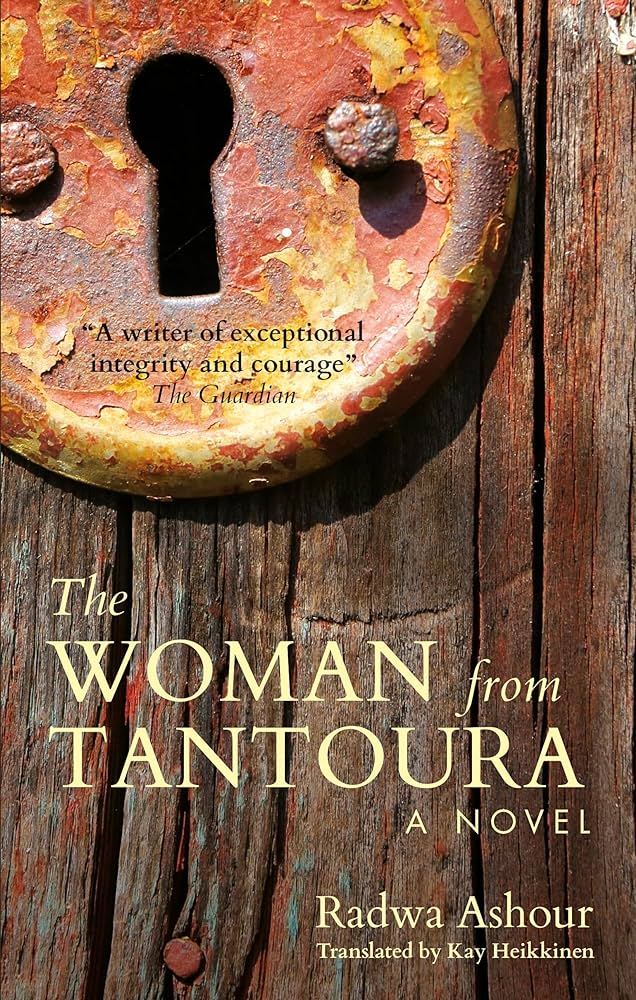
Palestine. For most of us, the word brings to mind a series of confused images and disjointed associations-massacres, refugee camps, UN resolutions, settlements, terrorist attacks, war, occupation, checkered kouffiyehs and suicide bombers, a seemingly endless cycle of death and destruction. A powerful human story, following the life of a young girl from her days in the village of al-Tantoura in Palestine up to the dawn of the new century. We participate in events as they unfold, seeing them through the uneducated but sharply intelligent mind of Ruqayya, as she tries to make sense of all that has happened to her and her family. With her, we live her love of her land and of her people; we feel the repeated pain of loss, of diaspora and of cross-generational misunderstanding; and above all, we come to know her indomitable human spirit. As we read we discover that we have become part of Ruqayya's family, and her voice will remain with us long after we have closed the book.
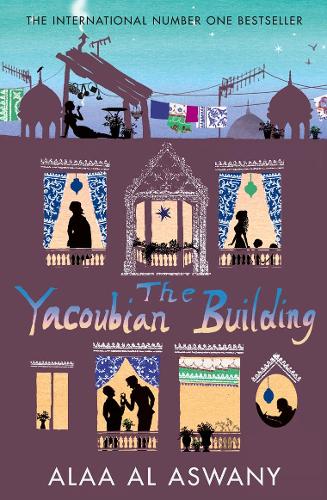
This exceptional Egyptian novel – as mesmerising as it is controversial – caused an unprecedented stir when it was first published in Arabic.
Welcome to the Yacoubian Building, Cairo: once grand, now dilapidated, and full of stories and passion. Some live in squalor on its rooftop while others inhabit the faded glory of its apartments and offices. Within these walls religious fervour jostles with promiscuity; bribery with bliss; modern life with ancient culture. At ground level, Taha, the doorman’s son, harbours career aspirations and romantic dreams – but when these are dashed by unyielding corruption, hope turns to bitterness, with devastating consequences.
Alaa Al Aswany’s superb novel about Egypt’s many contradictions is at once an impassioned celebration and a ruthless dissection of a society
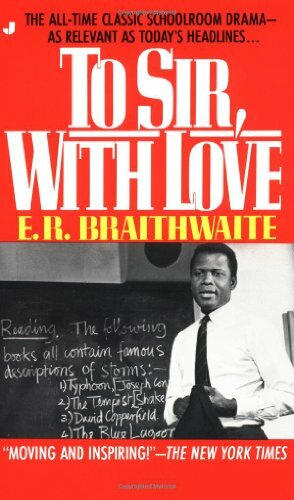
This schoolroom drama that inspired the classic Sydney Poitier film is "a microcosm of the racial issues . . . A dramatic picture of discrimination" (Kirkus Reviews).
With opportunities for black men limited in post-World War II London, Rick Braithwaite, a former Royal Air Force pilot and Cambridge-educated engineer, accepts a teaching position that puts him in charge of a class of angry, unmotivated, bigoted white teenagers whom the system has mostly abandoned. When his efforts to reach these troubled students are met with threats, suspicion, and derision, Braithwaite takes a radical new approach. He will treat his students as people poised to enter the adult world. He will teach them to respect themselves and to call him "Sir." He will open up vistas before them that they never knew existed. And over the course of a remarkable year, he will touch the lives of his students in extraordinary ways, even as they in turn, unexpectedly and profoundly, touch his.
Based on actual events in the author's life, To Sir, With Love is a powerfully moving story that celebrates courage, commitment, and vision, and is the inspiration for the classic film starring Sidney Poitier.
In Alice Walker’s second story collection, women stand their ground in the midst of crisis
This collection builds on Alice Walker’s earlier work, the much-praised In Love & Trouble. But unlike her first collection of stories, the women in these tenderly wrought tales face their problems head on, proving powerful and self-possessed even when degraded by others—sometimes by those closest to them. But even as the female protagonists face exploitation, social asymmetries, and casual cruelties, Walker leavens her stories with ample wit and, as always, an eye for the redemptive power of love.
A collection that reveals a master of fiction approaching the fullness of her talent, these are the stories Walker produced while penning The Color Purple.
This ebook features an illustrated biography of Alice Walker including rare photos from the author’s personal collection.
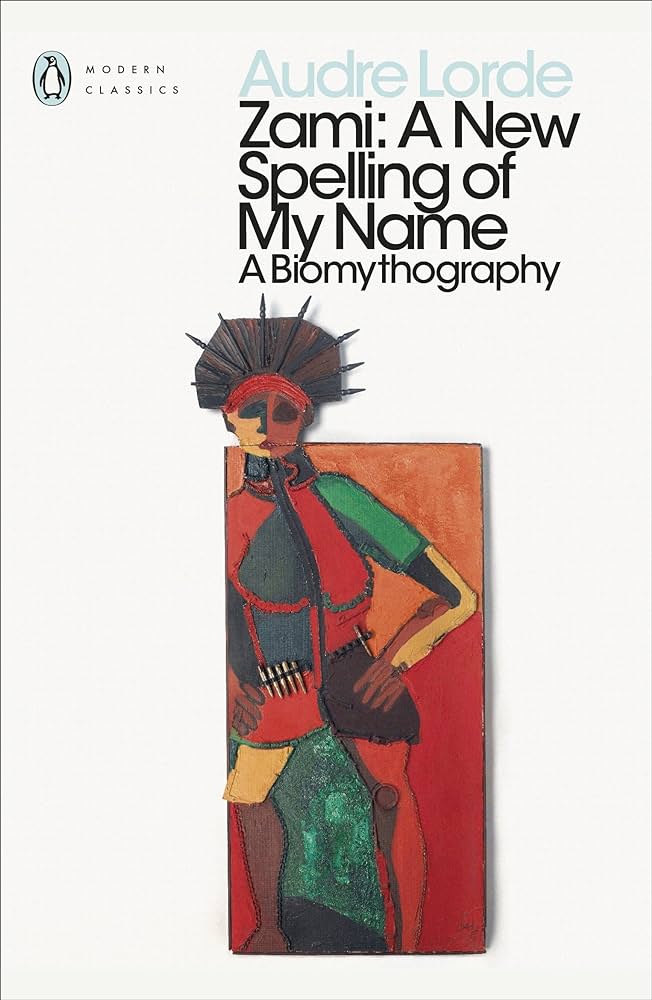
Zami is a fast-moving chronicle. From the author's vivid childhood memories in Harlem to her coming of age in the late 1950s, the nature of Audre Lorde's work is cyclical. It especially relates the linkage of women who have shaped her. Lorde brings into play her craft of lush description and characterization. It keeps unfolding page after page.