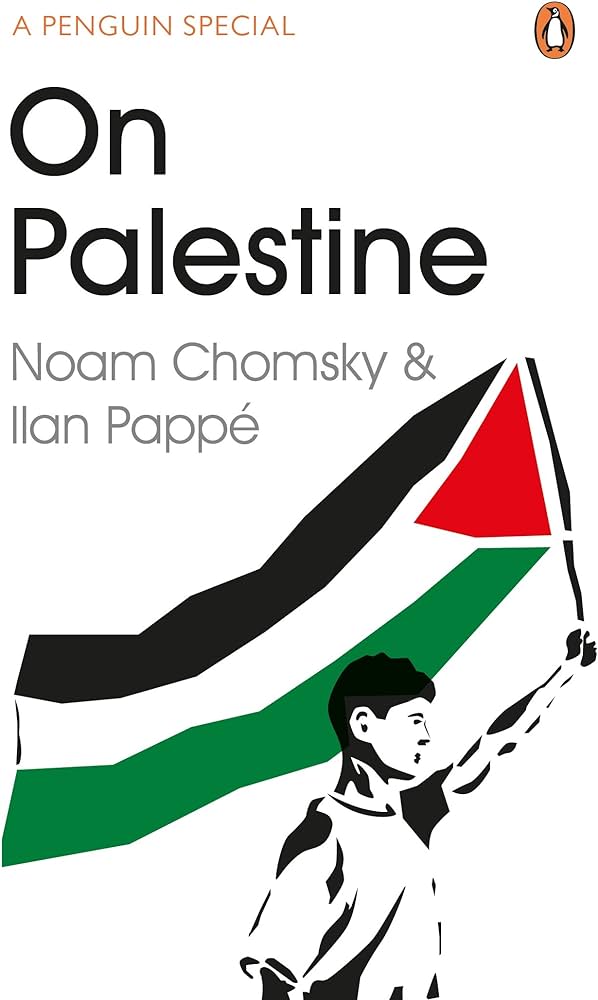
What is the future of the Boycott, Divestment, and Sanctions movement directed at Israel? Which is more viable, the binational or one state solution? Noam Chomsky and Ilan Pappé discuss the road ahead for Palestinians and how the international community can pressure Israel to end its human rights abuses against the people of Palestine in this urgent and timely book, a sequel to their acclaimed Gaza in Crisis.
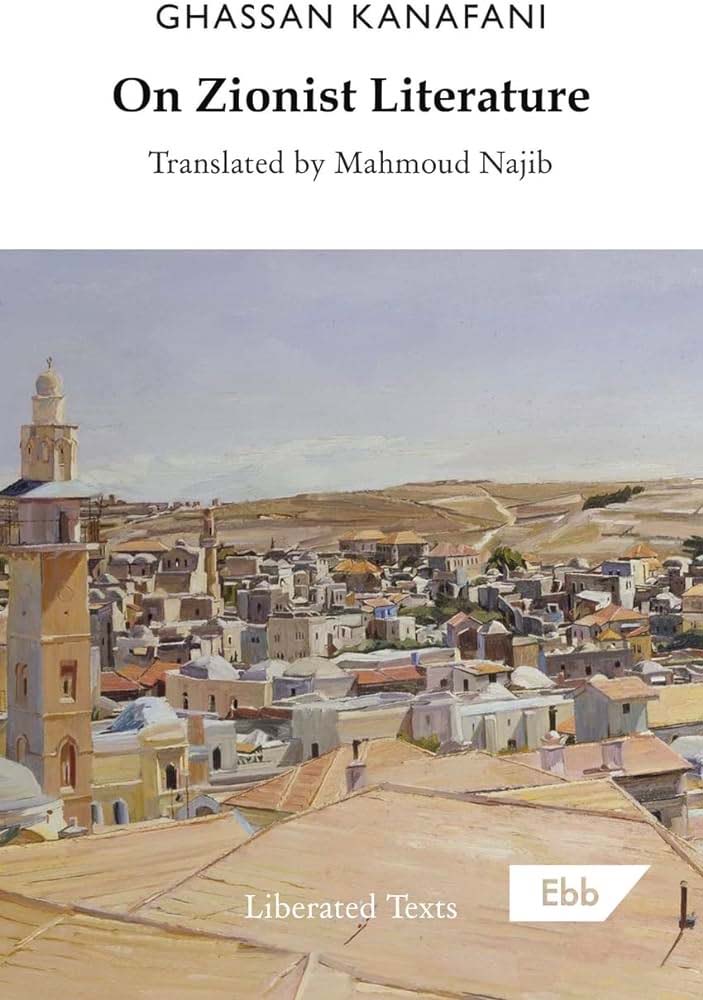
Translated into English for the first time after its publication in 1967, Ghassan Kanafani's On Zionist Literature makes an incisive analysis of the body of literary fiction written in support of the Zionist colonization of Palestine. Interweaving his literary criticism of works by George Eliot, Arthur Koestler, and many others with a historical materialist narrative, Kanafani identifies the political intent and ideology of Zionist literature, demonstrating how the myths used to justify the Zionist-imperialist domination of Palestine first emerged and were repeatedly propagated in popular literary works in order to generate support for Zionism and shape the Western public's understanding of it. The new preface by Anni Kanafani and an introduction by Steven Salaita place On Zionist Literature in its broader historical context and make a compelling case for its ongoing significance more than five decades since its original publication, illustrating the extent to which "Kanafani was a searing and incisive critic, at once generous in his understanding of emotion and form and unsparing in his assessment of politics and myth."

A collection of fifty-five feminist poets with an introductory essay, biographical notes and author photos.
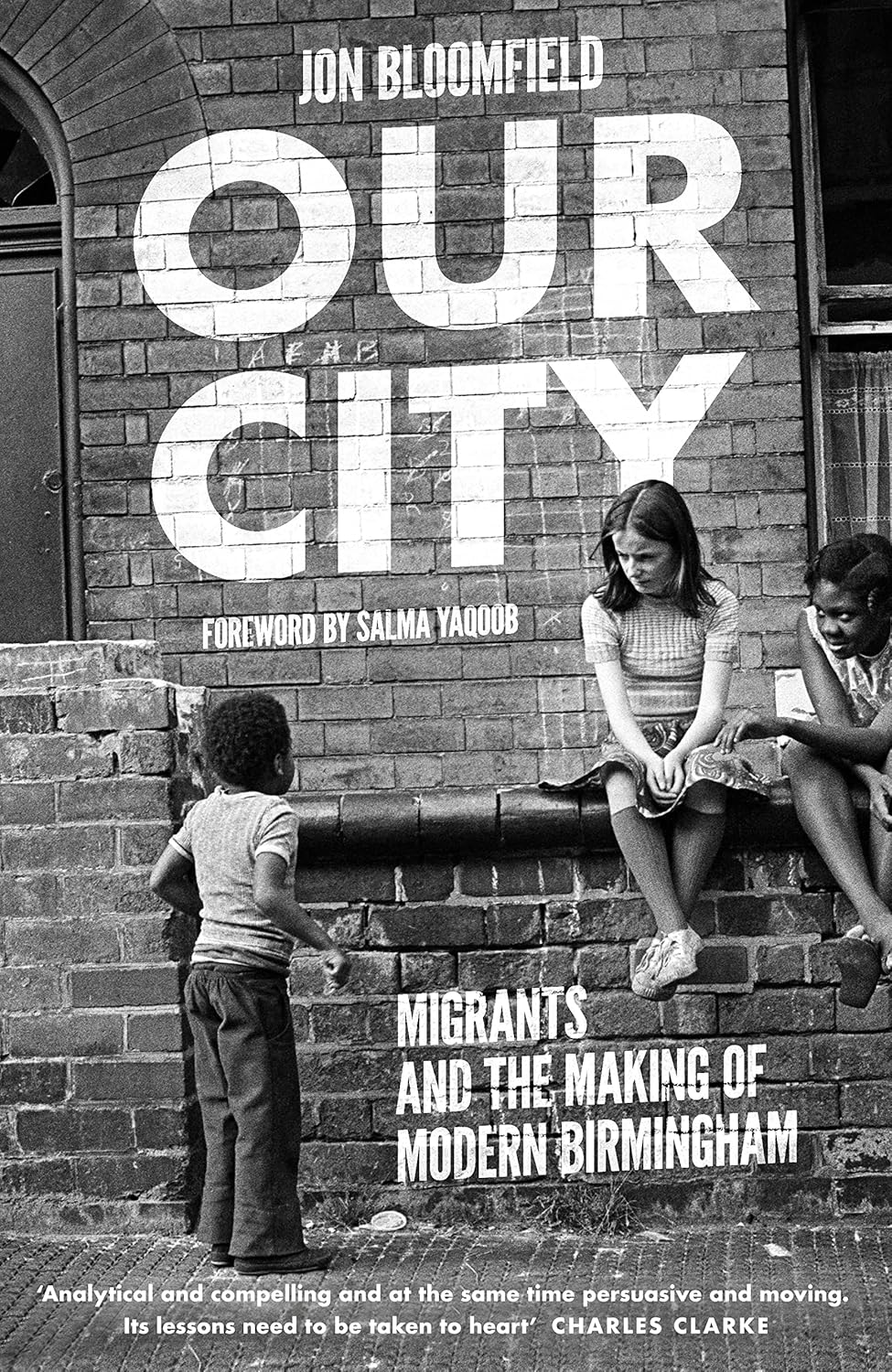
'Indispensable . . . Speaks of hope and courage' Observer
'An ode to openness, offering a refreshing alternative to those accounts that treat migrants as faceless statistics' David Lammy MP
'A highly informed and eloquent account of life in a modern British city during a period of globalisation, austerity and mass migration' Patrick Cockburn, Independent
Race and migration are the most prominent and divisive issues in British politics today.
As Brexit and the dangers of Islamist extremism are being used to reassert a closed British identity, these stories – of fifty migrants, first and second generations; men and women; from thirteen different countries from Ireland to India, Pakistan to Poland, the Caribbean to Somalia – highlight the variety of migrant experience and offer an antidote to the fear-mongering of the tabloid press.
This positive story of integration is all too rarely told, and it offers a firm defence of the principles of equality and increased diversity. Our City shows why mixed, open societies are the way forward for twenty-first-century cities, and how migrants help modern Britain not only survive but prosper.

"I think this is one of the most important books ever done about the South... Tony Dunbar has documented what many students of the South have proclaimed: the fact that poor white people and poor black people, though separated and alienated from each other through history, have identical economic and political interests, and essentially the same set of enemies - a society which has neglected their basic needs." - Patt Watters
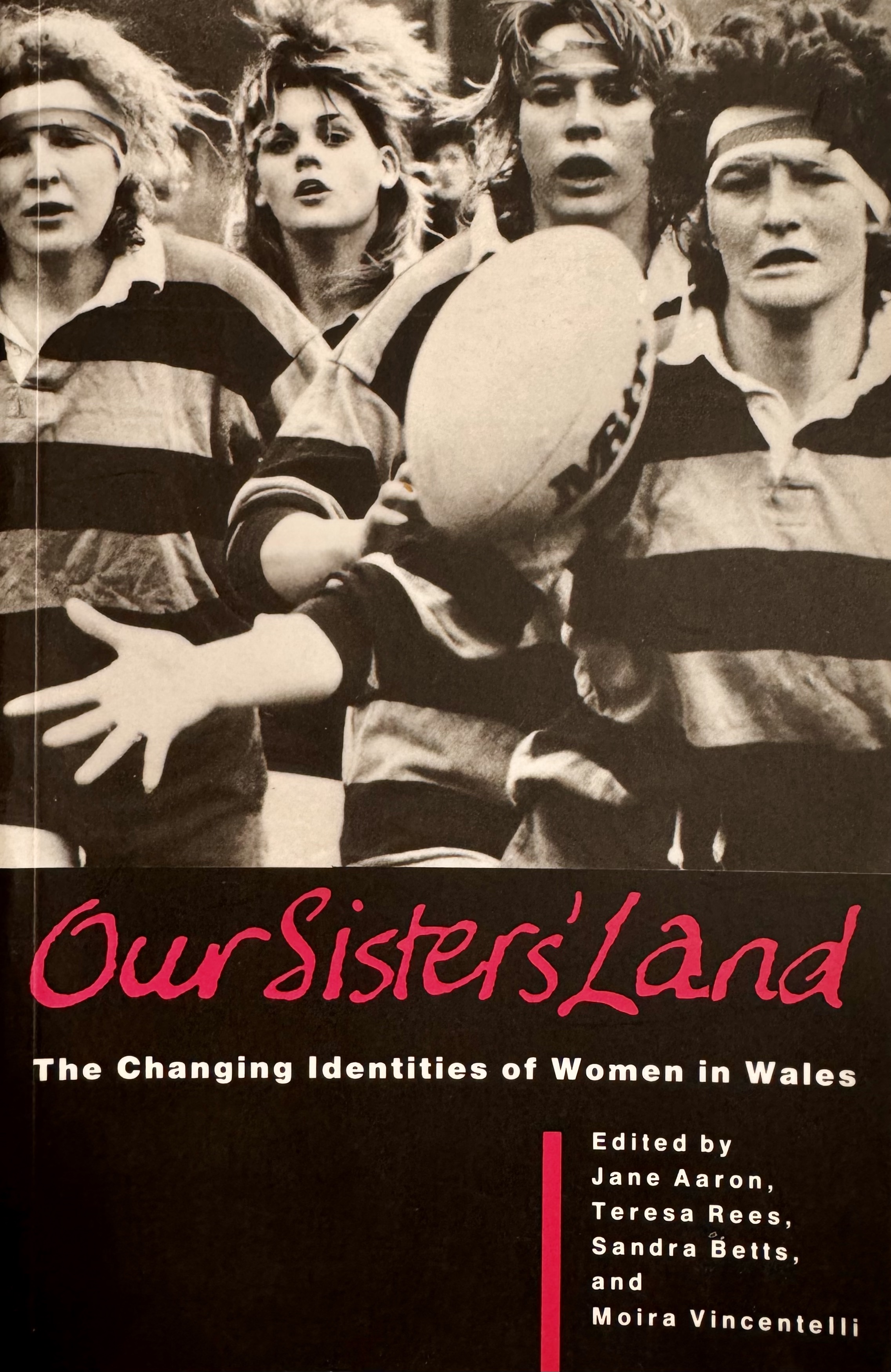
Women's lives in Wales are changing dramatically. They are becoming increasingly important to the world of paid work, while retaining their roles and responsibilities in the home. The pattern of family life has shifted, to the much vaunted growth of single parents, and the increase of elderly women living alone. Many women are increasingly active in public life, but meet barriers to their success, whether the arena be returning to study as mature students, the church, business, the arts or literature: they are expected to fit into a male world. Women's lives are very diverse, and their changing identity as they manage the balance between private and public lives has been as yet realtively uncharted. This text brings together a collection of interdisciplinary research papers on the changing identity of women in Wales. Research findings are complemented by cameo "voices" - personal accounts by a variety of individual women living and working in Wales. The volume is illustrated with photographs especially commissioned from the photographer Mary Giles.
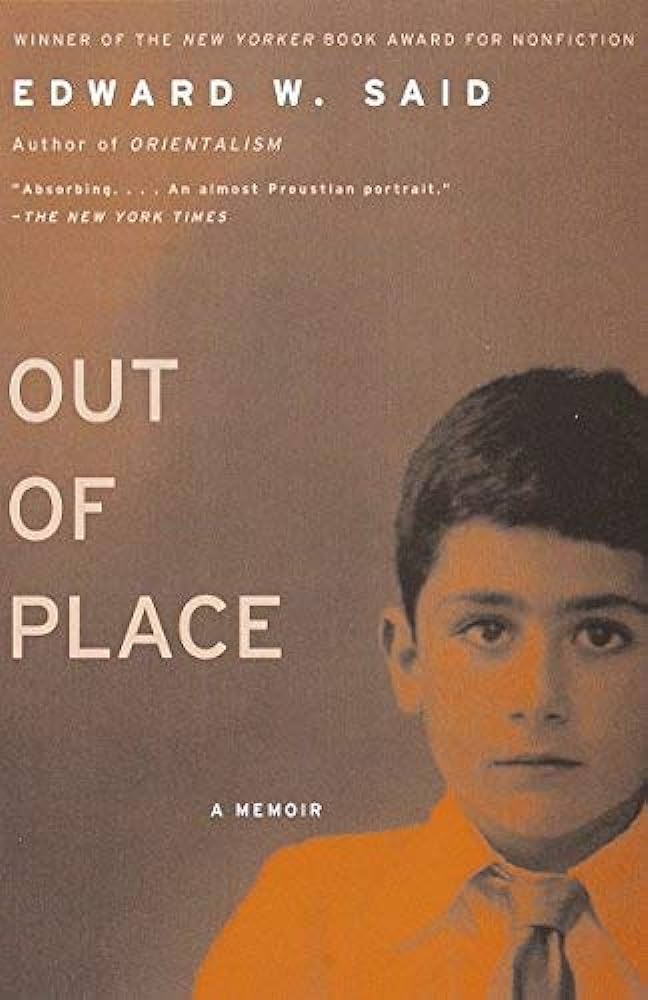
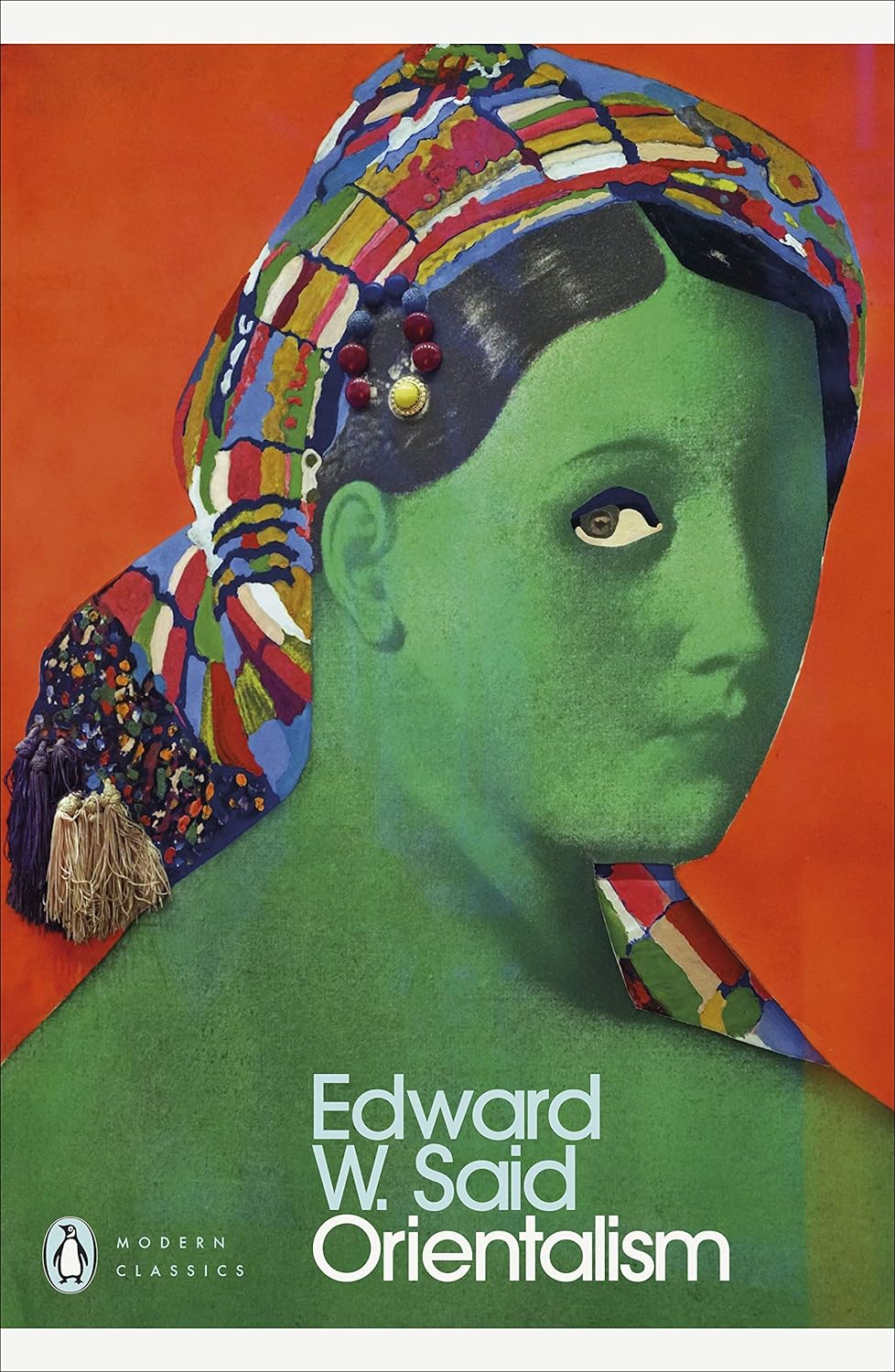
Edward Said experienced both British and American imperialism as the old Arab order crumbled in the late 1940s and early 1950s. This account of his early life reveals how it influenced his books Orientalism and Culture and Imperialism. Edward Said was born in Jerusalem and brought up in Cairo, spending every summer in the Lebanese mountain village of Dhour el Shweir, until he was 'banished' to America in 1951. This work is a mixture of emotional archaeology and memory, exploring an essentially irrecoverable past. As ill health sets him thinking about endings, Edward Said returns to his beginnings in this personal memoir of his ferociously demanding 'Victorian' father and his adored, inspiring, yet ambivalent mother.
Organising with others for human, animal and earth liberation can be one of the most empowering experiences alive. Yet frontline resistance comes with risks to our physical and emotional health that can lead many people to burn out and abandon social movements altogether.
This book is about overcoming burnout, linking the author’s journey of recovery with wider systemic forces such as classism, sexism and power dynamics in groups, poverty, chronic illness and ableism, as well as grief and trauma from prison and state repression. It is a call for models of mutual aid and collective care. Simultaneously deeply personal and acutely political, for anyone involved in grassroots organising, it is a must read.
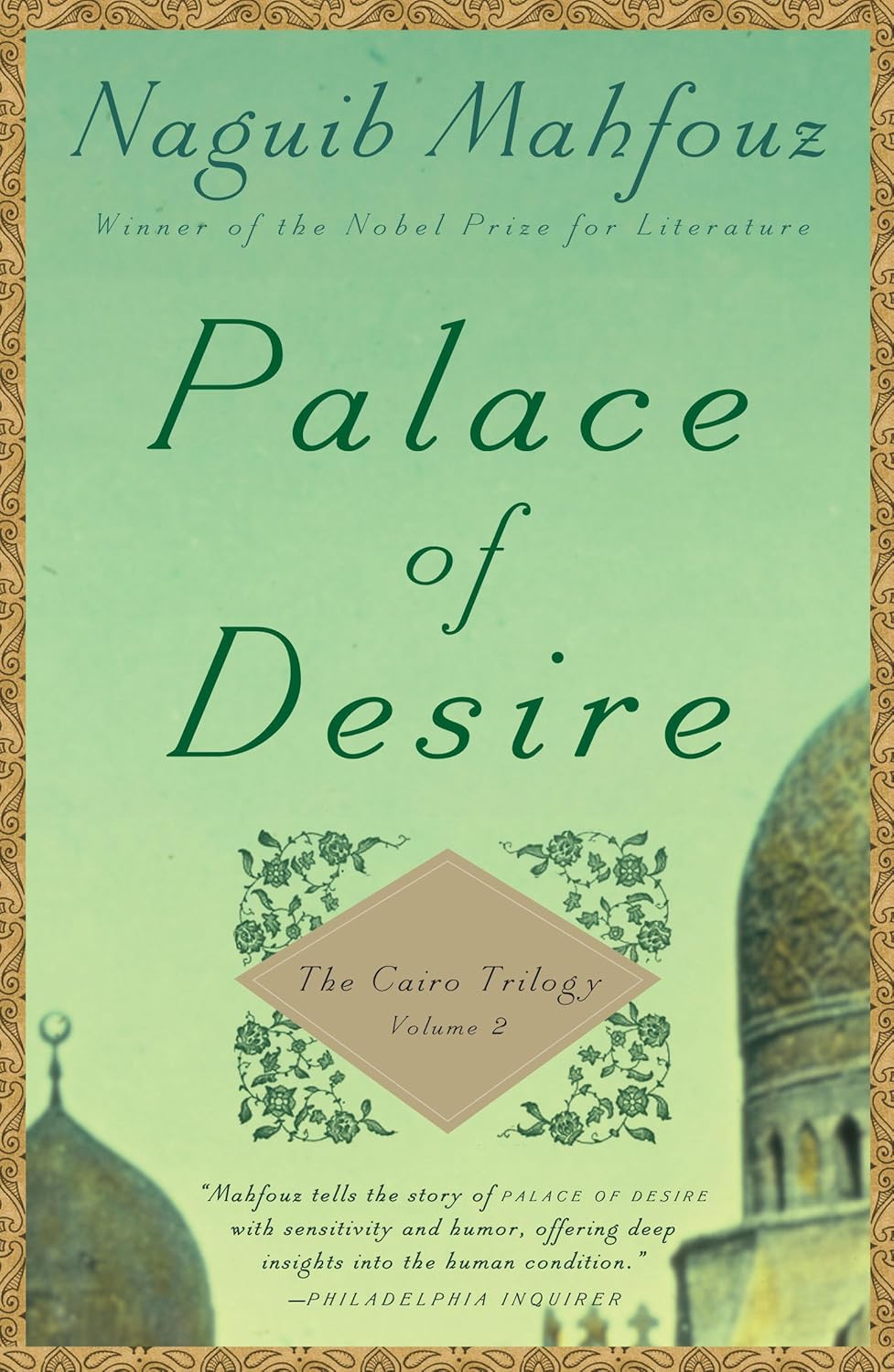
The second volume of the highly acclaimed Cairo Trilogy from the winner of the Nobel Prize for Literature. Filled with compelling drama, earthy humor, and remarkable insight, Palace Of Desire is the unforgettable story of the violent clash between ideals and realities, dreams and desires.